Border Wall Shuts Organ Pipe Roads: Arizona Border Impact
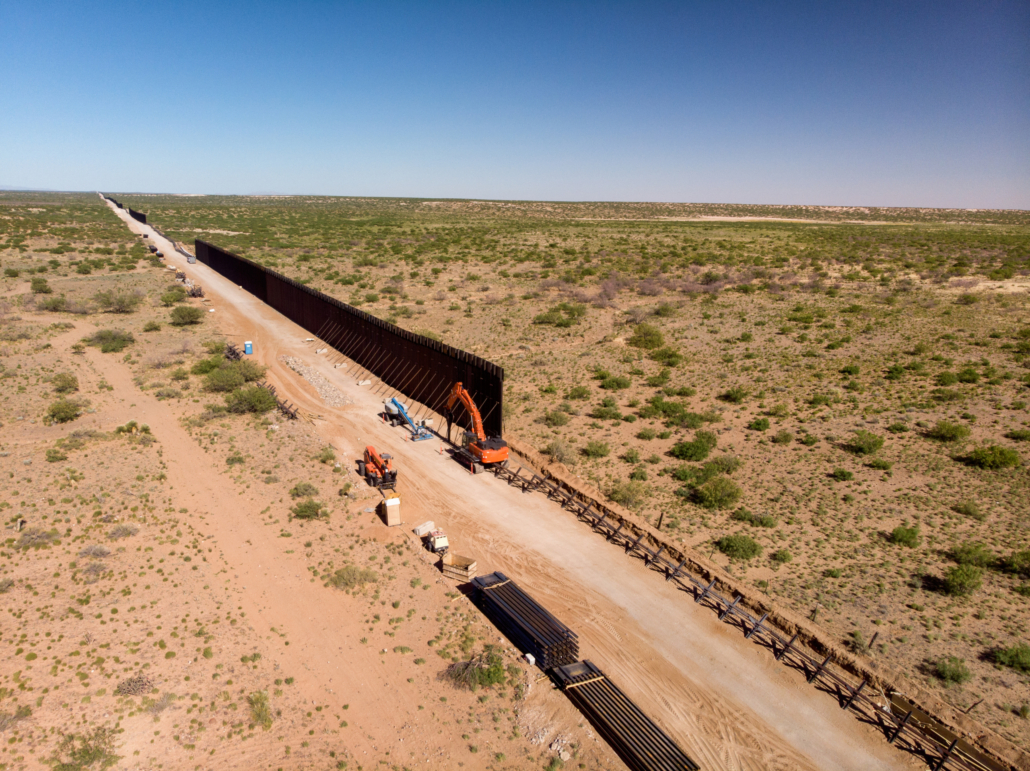
The National Park Service has closed six public roads across the southern end of Organ Pipe Cactus National Monument, sealing off Quitobaquito Springs to clear the way for a second border wall. The order hands the administration a security objective and hands Arizonans a concrete cost: the last wild home of an endangered pupfish now sits inside a construction zone.
State of play
- The Park Service issued an indefinite closure on July 31 for six roads near the border “in furtherance of the Department of Homeland Security infrastructure project,” blocking access across the 330,000-acre preserve.
What is behind the fence
- The oasis. Quitobaquito Springs, sacred to the Hia-Ced O’odham and a haven for three endangered species, is now cut off as a prelude to construction.
- The wall. The plan is a second barrier running parallel to the first, threading through some of Arizona’s most sensitive grounds.
- Last habitat. Biologists believe the endangered Quitobaquito pupfish went extinct in Mexico last year, leaving the spring as its last home in the wild.
What’s in it for America
Border security is a legitimate federal duty, and the barrier’s backers can make that case plainly. So can the people who note that a sacred spring and a species found nowhere else are the price. Both are true, and Arizonans are the ones who pay it. This is another reason why preventative border security can help to avoid retroactive extreme measures.
-The Editors
National Security · Upstream of the Swamp · August 13, 2026